
Circuit Services in West Bath for appliances and systems requiring independent electrical capacity
When installing heat pumps, well pumps, kitchen ranges, or EV chargers, dedicated circuits prevent overloads and code violations. Electric Moose adds new circuits and troubleshoots existing circuit problems throughout West Bath, running wire from the panel to specific locations where equipment draws more current than standard 15-amp lighting or outlet circuits can safely provide. Space heaters that trip breakers, kitchens where the microwave and toaster cannot run simultaneously, and outlets that go dead when other devices are in use all point to insufficient circuit capacity for the actual electrical demand.
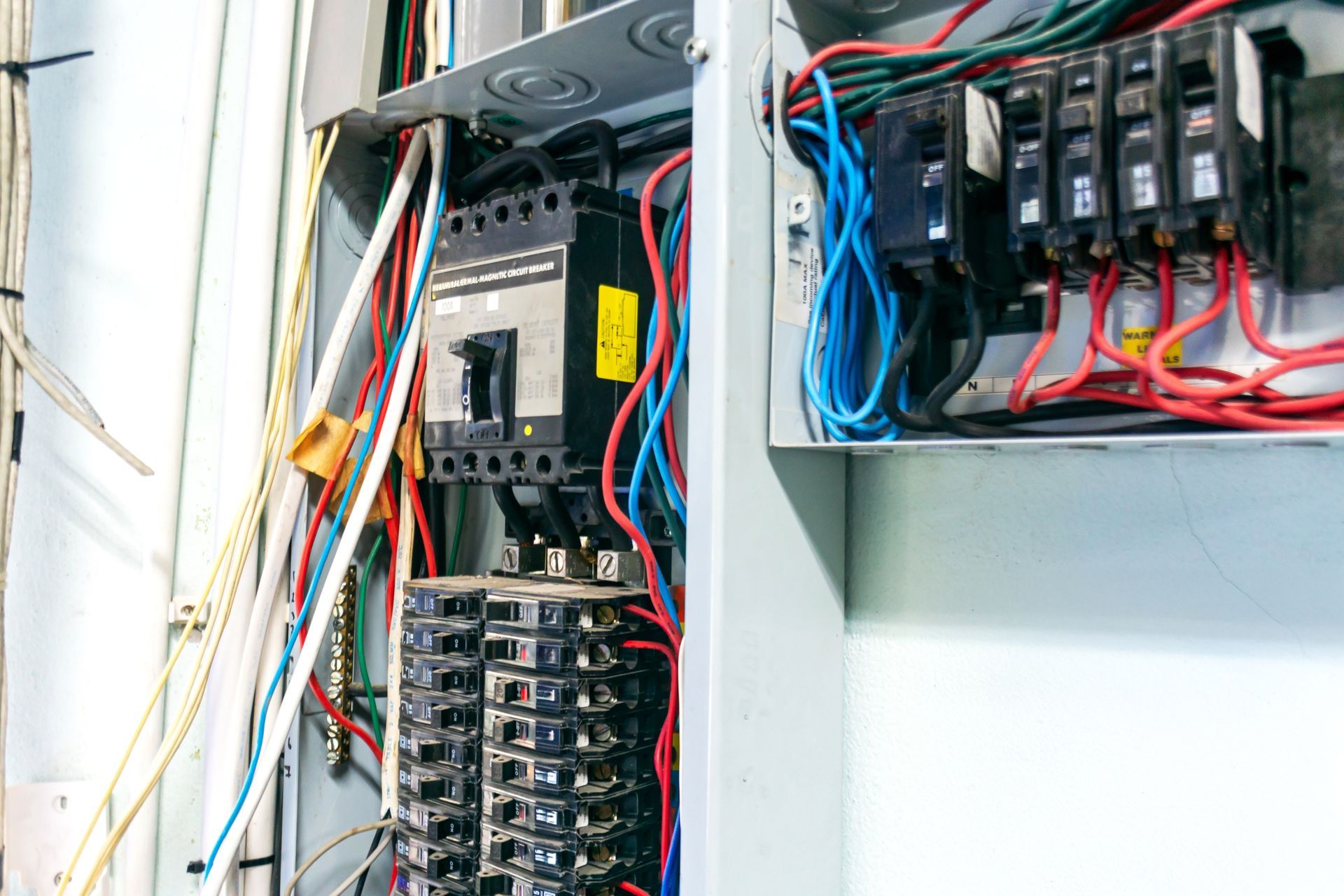
Adding a circuit involves installing an appropriately sized breaker in the panel, running cable through walls or conduit to the load location, and terminating at an outlet, junction box, or hardwired connection point. Wire gauge must match the breaker size—12-gauge copper for 20-amp circuits, 10-gauge for 30-amp loads like dryers, and heavier conductors for subpanels or high-draw equipment like EV chargers that may require 50 or 60 amps.
Schedule a circuit assessment to identify which devices need dedicated power and evaluate available panel capacity for new breakers.
Why Circuit Requirements Matter
Circuit installation begins with verifying that the panel has physical space and amperage capacity for the additional load, then mapping the wire route that minimizes drywall damage while maintaining code-compliant cable protection. Each circuit must be protected by the correct breaker type—standard breakers for most loads, GFCI breakers where moisture is present, and AFCI breakers for living spaces where arc fault protection is required. Electric Moose ensures every connection at the breaker, junction boxes, and endpoints is mechanically secure and properly insulated to prevent arcing or overheating.
Once circuit work is finished, appliances operate without dimming lights or tripping breakers, equipment runs at full rated capacity without voltage sag, and you can use multiple devices simultaneously without rationing power. Dedicated circuits also isolate sensitive electronics from voltage fluctuations caused by motors starting elsewhere in the home, and they simplify troubleshooting by separating loads onto distinct breakers rather than mixing multiple rooms and device types on shared circuits.
Circuit troubleshooting identifies why existing circuits fail—loose connections that create intermittent power loss, overloaded circuits where too many devices share one breaker, or damaged wire insulation that causes ground faults and nuisance tripping. In West Bath's older homes, circuits may have been extended multiple times over decades, creating complex wiring paths where one bad connection affects multiple outlets across different rooms.
What Property Owners Usually Ask
Adding circuits involves panel capacity, wire routing, and code compliance questions that affect project scope and cost.
What appliances require dedicated circuits?
Kitchen refrigerators, microwaves rated above 1,000 watts, dishwashers, garbage disposals, washing machines, electric dryers, ranges, and any permanently installed equipment like heat pumps or well pumps each need independent circuits to prevent overload and meet electrical code.
How is wire routed through finished walls?
Cable is fished through wall cavities using flexible rods or chains dropped from attic or basement access points, with strategic drywall openings cut where routing obstacles require direct access to drill through studs or feed wire past fire blocking.
Why do circuits trip without obvious overload?
Worn breakers develop internal damage that causes nuisance tripping below rated capacity, while ground faults from damaged insulation or moisture intrusion create current leakage that GFCI breakers detect and interrupt even when the load is light.
What limits how many circuits can be added?
Total panel amperage and available breaker positions constrain circuit expansion, with 200-amp panels typically offering 40 breaker spaces while 100-amp panels may have only 20, and calculated load from all circuits combined cannot exceed the main breaker rating.
When should circuits be separated rather than shared?
Any time two loads might operate simultaneously and exceed the circuit's capacity, or when code requires dedicated circuits for specific appliance types, creating separate circuits prevents the inconvenience of rationed device use common in West Bath homes wired decades ago for much lower electrical demand.
Electric Moose installs dedicated circuits and resolves circuit overload issues in West Bath properties. Contact us to evaluate your panel capacity and discuss the circuit additions needed for safe operation of your electrical equipment and appliances.