
Interior Lighting in West Bath for functional brightness and task-specific illumination
Dark corners, insufficient task lighting, or fixtures that flicker signal the need for updated interior lighting. Electric Moose designs and installs lighting systems in West Bath homes that address specific visibility needs in kitchens, bathrooms, hallways, and living spaces. The work ranges from adding recessed cans in ceilings to installing under-cabinet strips, pendant fixtures over islands, and dimmer controls that adjust light levels throughout the day.
Installing interior lighting involves running dedicated circuits to new fixture locations, cutting precise openings in ceilings or walls, securing junction boxes to framing members, and connecting fixtures with proper wire management. LED fixtures now dominate residential installations due to lower heat output and reduced energy consumption, but the electrical rough-in must still accommodate transformer requirements for low-voltage systems and ensure adequate circuit capacity for multiple fixtures on shared controls.
Request a lighting consultation to evaluate coverage gaps and develop a fixture plan tailored to your daily activities.
How Lighting Installation Addresses Visibility Issues
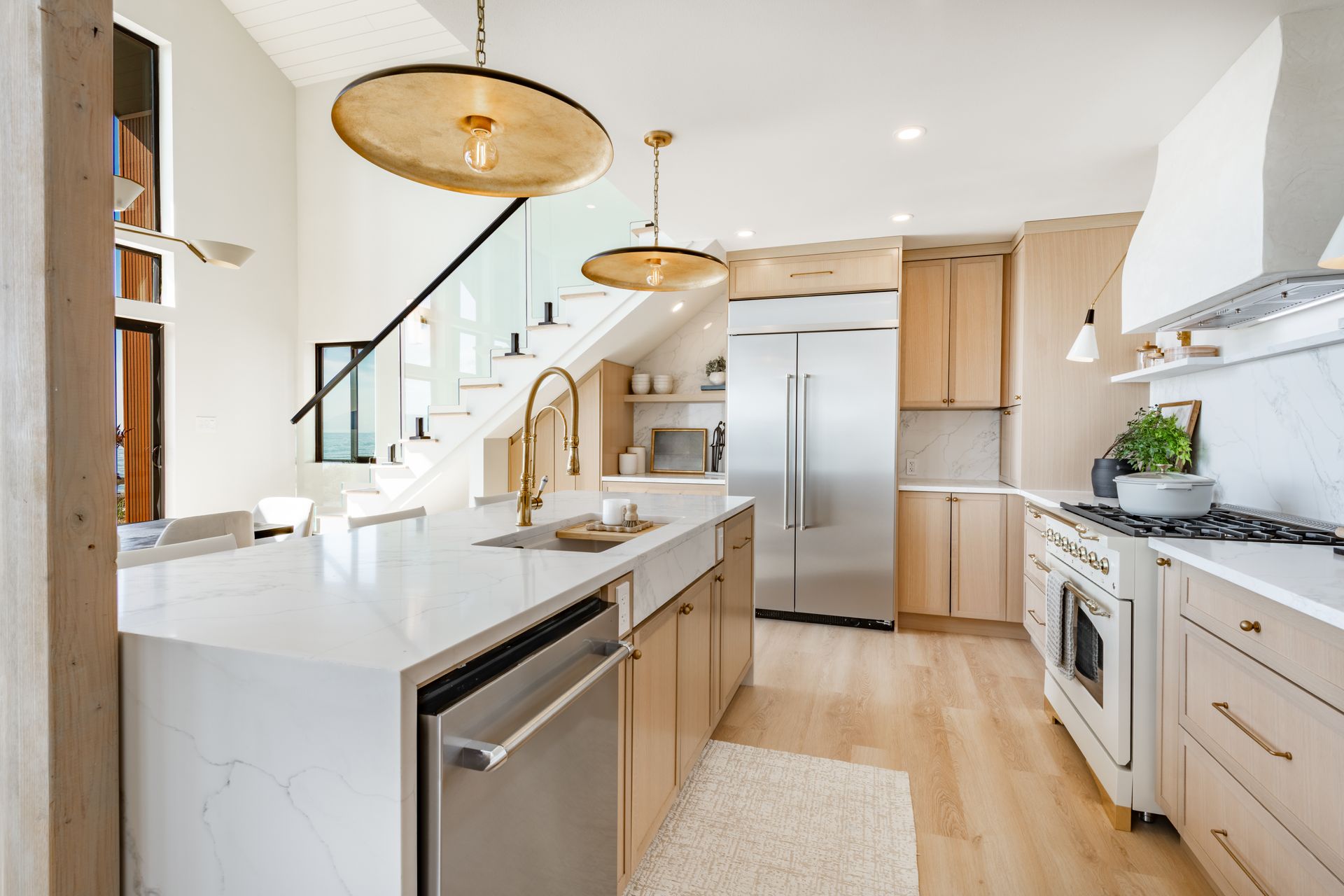
Each fixture type serves a specific purpose—recessed cans provide general ambient light, track lighting highlights artwork or architectural features, and undercabinet strips eliminate shadows on countertops where food prep happens. The installation process includes calculating spacing between fixtures to avoid dark spots, selecting beam angles that direct light where it's needed, and choosing color temperatures that match the room's function. Warmer tones work in living areas and bedrooms, while cooler white light improves visibility for detailed tasks in kitchens and workshops.
After installation, you'll notice even light distribution that eliminates the harsh shadows cast by single overhead fixtures, consistent brightness across work surfaces, and the ability to adjust light intensity for different times of day or activities. Dimmer switches extend bulb life and reduce glare during evening hours, while motion sensors in hallways and closets provide automatic illumination without fumbling for switches.
Fixture placement also accounts for ceiling height, furniture layout, and natural light from windows. In rooms with vaulted ceilings or open floor plans, multiple lighting layers—ambient, task, and accent—create flexibility that single-source lighting cannot provide. The wiring method depends on whether you're working with accessible attic space above, finished ceilings requiring patching, or surface-mount options that avoid drywall demolition.
Answers to Frequent Service Questions
Lighting projects raise practical questions about fixture selection, installation methods, and circuit requirements.
What determines how many recessed lights a room needs?
Ceiling height, room dimensions, and fixture lumen output dictate spacing, typically four to six feet between cans for even coverage in standard eight-foot ceilings, with adjustments for higher ceilings or concentrated task areas.
How are fixtures installed in finished ceilings?
Remodel-style recessed cans use spring clips that secure directly to drywall without attic access, while new construction housings nail to joists before ceiling material goes up, requiring different rough-in planning.
Why do some LED fixtures flicker or hum?
Incompatible dimmer switches designed for incandescent bulbs cause flickering in LED fixtures, requiring replacement with electronic low-voltage dimmers that regulate current flow without the rapid on-off cycling that creates visible flicker.
What's the difference between hardwired and plug-in fixtures?
Hardwired fixtures connect directly to household circuits through junction boxes, providing permanent installation without visible cords, while plug-in fixtures offer portability but require nearby outlets and create cord management challenges.
When should separate lighting circuits be added?
Kitchens, bathrooms, and rooms with multiple fixtures benefit from dedicated 15-amp lighting circuits that prevent overload when multiple lights operate simultaneously alongside outlets serving other devices, a consideration particularly important in West Bath homes with limited panel capacity.
Electric Moose installs interior lighting systems that address both functional visibility needs and aesthetic preferences. Arrange an on-site evaluation to review fixture options and discuss the electrical work required for your lighting goals.